
Pediatric Dentistry
Pediatric Dentistry
Gentle and preventive dental care focused on children’s baby teeth, permanent tooth development, oral hygiene, and building trust with the dentist.
Overview
Calm, reassuring, and preventive dental care for children
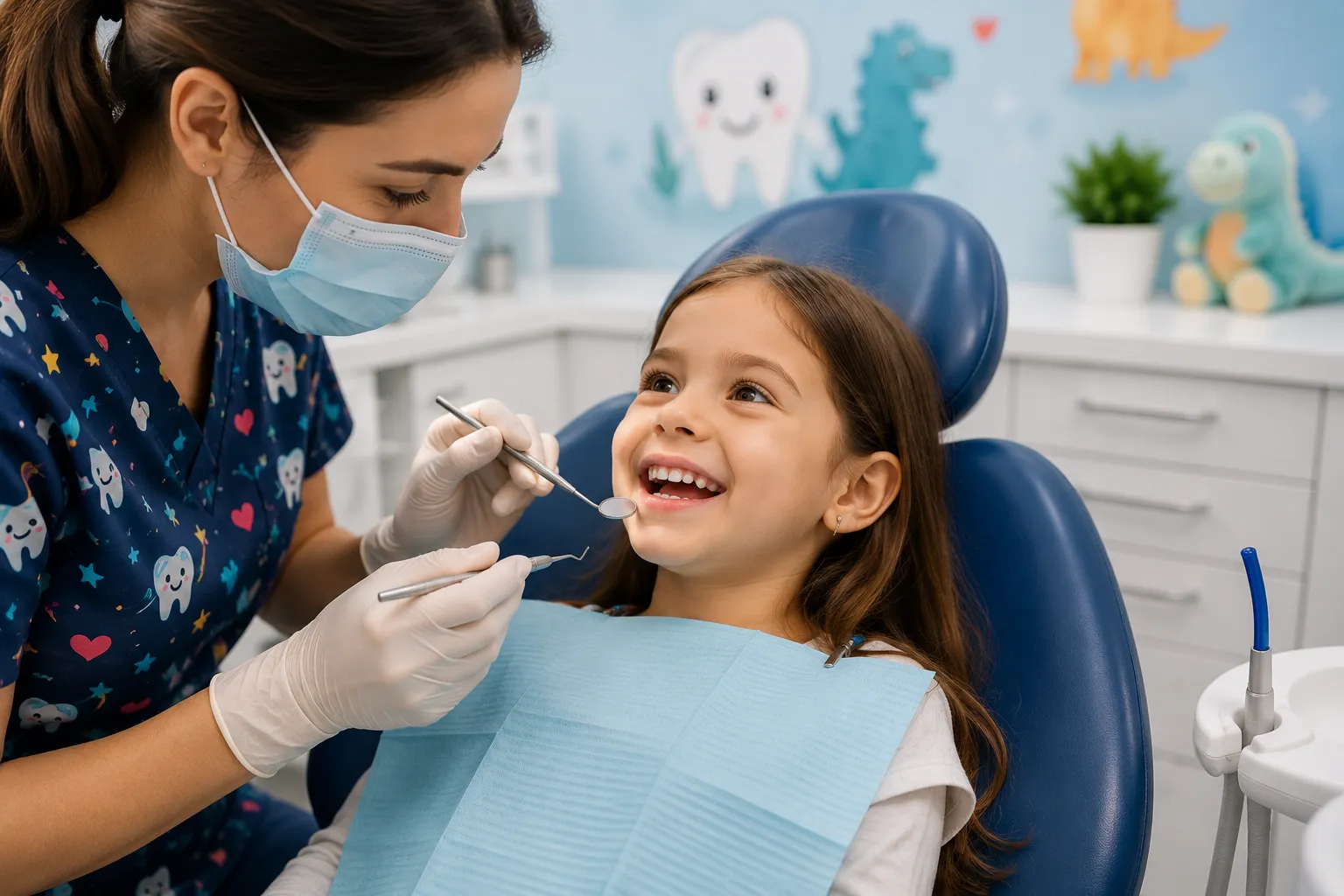
Pediatric dentistry follows children’s oral and dental health from infancy through adolescence. It is not limited to treating cavities. Helping the child feel safe at the dentist, preventing fear, building proper brushing habits, and supporting the healthy transition from baby teeth to permanent teeth are all part of the process. Children need a different approach than adults: more patience, simple explanations, gentle communication, and a sense of trust.
Suitability
Who is it suitable for?
Babies and young children whose first teeth have started to erupt
Children with cavities, discoloration, fractures, or sensitivity in baby teeth
Children who are visiting the dentist for the first time or feel afraid of dental care
Children who struggle to build regular brushing habits
Patients who need monitoring for early baby tooth loss, spacing, or tooth alignment
School-age children who need regular check-ups and preventive dental applications
Children with habits such as teeth grinding, thumb sucking, or long-term pacifier use
Children whose permanent teeth are erupting and need development follow-up
Treatment Process
How does pediatric dental care work?
Introduction and trust-building
A calm connection is created so the child can get used to the clinic and the dentist. The first visit is not only about treatment, but also about building trust.
Age-appropriate examination
Baby teeth, permanent tooth development, gum health, jaw growth, and oral hygiene are evaluated according to the child’s age.
Listening to the family
Eating habits, brushing routine, night feeding, pacifier or thumb-sucking habits, and any pain complaints are discussed with the family.
Preventive planning
Depending on cavity risk, fluoride application, fissure sealants, nutrition advice, and brushing education may be planned.
Necessary treatments
If cavities, fractures, pain, or infection are present, suitable treatments are performed according to the child’s age and cooperation.
Habit monitoring
Thumb sucking, teeth grinding, mouth breathing, or long-term pacifier use can be monitored, and guidance can be provided when needed.
Regular follow-up system
Tooth development and oral hygiene are checked at regular intervals so problems can be noticed before they become more serious.
Benefits
Benefits of pediatric dentistry
Helps children build a safer and more positive relationship with dental care.
Allows cavities and infections in baby teeth to be noticed early.
Supports healthy development of permanent teeth.
Helps children gain proper brushing and oral care habits at an early age.
Preventive applications may reduce the risk of cavities.
Can help prevent dental fear from becoming stronger.
Supports monitoring of spacing problems caused by early baby tooth loss.
Helps families make more informed decisions about nutrition, care, and regular check-ups.
Q / A
Frequently asked questions
When should children first visit the dentist?
A first dental visit is recommended when the first teeth erupt or around the age of one at the latest. Even if there is no problem, this visit is valuable for guiding the family and helping the child get used to the dentist.
Do baby teeth need treatment if they will fall out anyway?
Yes. Baby teeth are important for chewing, speech, jaw development, and holding space for permanent teeth. Untreated problems can lead to pain, infection, and future alignment issues.
Is dental treatment painful for children?
Treatment is planned according to the child’s age, needs, and cooperation. Local anesthesia can be used when needed. The aim is to make the procedure as comfortable and non-frightening as possible.
Is fluoride application necessary for children?
Fluoride may be recommended depending on cavity risk. It can help strengthen tooth enamel and reduce the risk of cavities. Suitability is evaluated according to the child’s oral condition.
What is a fissure sealant?
A fissure sealant is a preventive application that helps cover the deep grooves on the chewing surfaces of molars. The goal is to reduce food accumulation and lower cavity risk.
What if my child is afraid of the dentist?
Instead of pressure, a slow, calm, and reassuring approach is preferred. A first appointment focused on meeting and getting used to the clinic can make future treatments easier.
When should children start brushing their teeth?
Oral care can begin when the first teeth erupt. Age-appropriate toothbrush and toothpaste selection is important. Young children should brush with family support.
Can thumb sucking or long-term pacifier use affect teeth?
Long-lasting habits may affect tooth alignment, jaw development, and bite. The duration and intensity of the habit should be evaluated, and guidance may be needed.